About MiLife
Milife Medicity is located in the city of Kottakkal, Kerala, India. This city is famous for Ayurveda, the traditional Indian therapy for over a century.

jhon | 8–10 minutes | on 26th November 2025
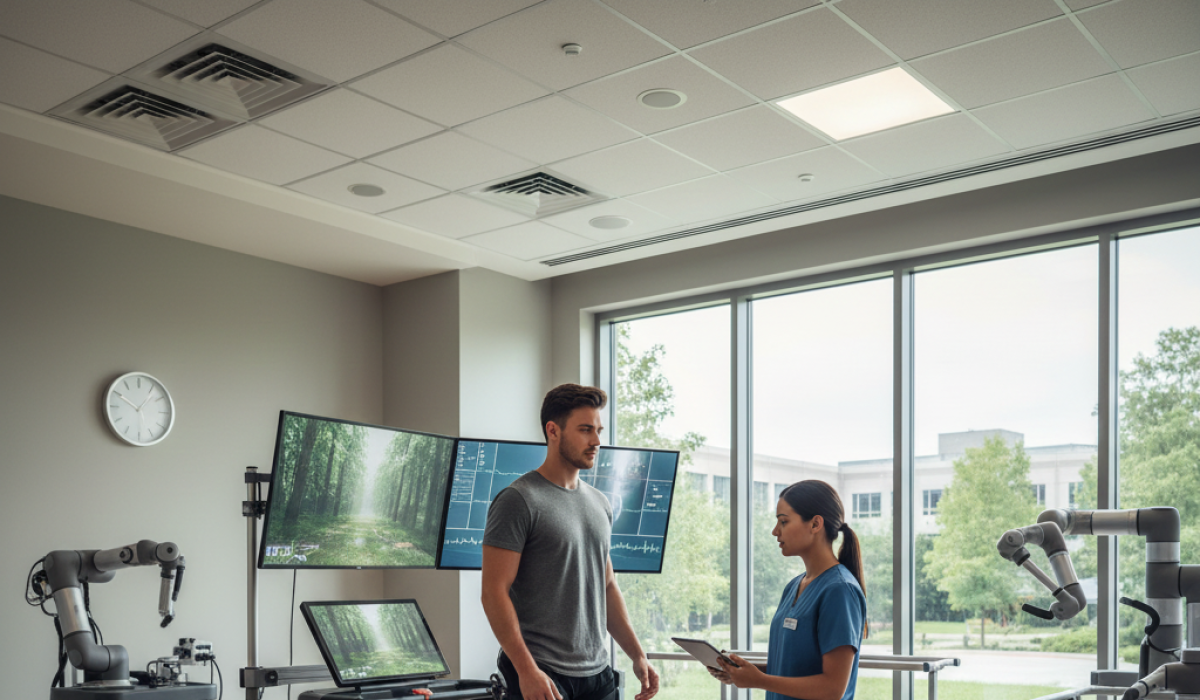
Recovery from physical limitations, mobility challenges, neurological conditions, or long-standing functional restrictions requires a structured environment supported by trained professionals, specialized therapy tools, and systematic rehabilitation methods. This is why choosing the right advanced rehabilitation centre is extremely important.
An advanced rehabilitation centre combines physiotherapy, occupational therapy, speech therapy, cognitive development, balance training, movement re-education, and lifestyle improvement into one unified system. Unlike basic therapy units, an advanced centre follows a scientific, personalized, and outcome-based approach.
This long-form guide explains what an advanced rehabilitation centre is, the departments it includes, the rehabilitation process, types of therapies provided, and what makes a facility truly advanced.
An advanced rehabilitation centre is a professional environment where individuals receive structured rehab programs to improve mobility, strength, coordination, daily living ability, communication skills, and overall functional independence.
Such a centre integrates multiple specialties including:
Physical rehabilitation
Neurological rehabilitation
Occupational therapy
Speech and communication development
Sensory integration
Cognitive development
Balance and gait training
The goal is to support individuals as they work toward improved physical function, adaptability, and independence in daily tasks.
A high-quality advanced rehabilitation centre includes the following:
A multidisciplinary team usually includes:
Physiotherapists
Occupational therapists
Speech therapists
Cognitive rehabilitation experts
Behavioral specialists
Rehabilitation assistants
These professionals work together to support individual goals.
Advanced centres use:
Balance training platforms
Strength-building machines
Gait training devices
Fine motor development tools
Sensory stimulation tools
Flexibility training equipment
Task-oriented training devices
Such tools help individuals relearn movement patterns and build functional strength.
Before therapy begins, the centre performs:
Mobility assessments
Muscle strength evaluation
Range of motion tests
Balance assessments
Posture analysis
Daily living skill evaluation
Based on this, a personalized rehabilitation plan is created.
A true advanced rehabilitation centre does not rely on a single form of therapy. Instead, it integrates multiple departments to support complete recovery.
Focuses on improving:
Movement
Strength
Flexibility
Balance
Posture
Motor coordination
Therapies include stretching, strengthening exercises, mobilization, gait training, and flexibility work.
Supports individuals with neurological limitations (education-focused only).
It trains:
Balance
Coordination
Movement control
Functional mobility
Sensory-motor integration
This department relies heavily on structured routines and repetitive training.
Helps individuals improve independence in daily tasks including:
Self-care activities
Writing
Holding objects
Dressing
Eating
Hand-eye coordination
Fine motor skills
Occupational therapy enhances functional daily living ability.
A specialized department for communication support including:
Speech clarity
Language development
Voice training
Communication skills
Social interaction support
This focuses on:
Attention skills
Memory training
Problem-solving
Planning
Behavioral improvement
Executive function development
Cognitive rehabilitation helps individuals improve mental processing and adaptability.
This unit is especially useful for children but can support anyone needing sensory balance.
It may involve:
Visual stimulation
Auditory input
Touch-based sensory exercises
Balance activities
Motor planning
An advanced rehabilitation centre offers a combination of active, passive, and technology-based therapies:
Mobilization
Stretching
Soft tissue release
Posture correction
Strength training
Flexibility programs
Balance drills
Gait exercises
Functional movement training
Repetitive task practice
Motor coordination training
Pattern movement correction
Balance board training
Parallel bar gait practice
Step training
Floor balance patterns
Grip strengthening
Finger coordination exercises
Writing support
Object manipulation tasks
Pronunciation practice
Language building
Voice modulation exercises
A professional centre follows a systematic recovery plan:
Includes evaluation of:
Mobility
Muscle tone
Strength
Balance
Communication skills
Sensory responses
Therapists set realistic goals such as:
Improved walking ability
Better balance
Increased independence
Clearer communication skills
Stronger daily living skills
Based on the individual’s abilities and goals.
Therapists track:
Strength improvement
Range of motion
Independence levels
Balance and coordination
To maintain and continue progress outside the centre.
An advanced rehabilitation centre supports:
Individuals with mobility challenges
Those recovering from injuries
People needing help with physical strength
Individuals experiencing balance difficulties
Children needing developmental support
People wanting to improve functional abilities
Anyone needing structured rehabilitation for daily life improvement
Rehabilitation centres are designed to help improve functional performance, regardless of age or background.
Choosing a structured rehabilitation environment offers several advantages:
Therapies improve body movement patterns.
Rehab helps individuals perform daily activities more independently.
Therapy builds physical capacity and balance.
Improves how the body aligns and moves.
Progress leads to improved emotional well-being.
Plans are adapted to individual needs.
Use this checklist:
Does it have trained rehabilitation professionals?
Is there modern rehabilitation equipment?
Are therapy plans personalized?
Is progress tracked systematically?
Are the facilities clean and organized?
Does it have separate therapy units?
Are programs structured and goal-oriented?
A good rehabilitation centre maintains clarity, structure, and professional standards in every session.
1. What is an advanced rehabilitation centre?
It is a structured environment offering multiple therapies including physiotherapy, occupational therapy, speech therapy, and neuro rehabilitation.
2. Who needs advanced rehabilitation?
Anyone needing support with mobility, strength, coordination, communication, or functional independence can benefit.
3. How long does rehabilitation take?
Each person’s progress is unique, and timelines vary.
4. What is the difference between regular therapy and advanced rehabilitation?
Advanced rehabilitation uses multiple departments, structured plans, and technology-based tools.
An advanced rehabilitation centre provides a structured, supportive, and professional environment for improving mobility, coordination, communication, strength, and functional independence. With specialized departments, modern equipment, trained therapists, and personalized programs, these centres offer long-term, holistic rehabilitation solutions.
This approach ensures that individuals receive comprehensive, guided support that enhances their daily life and long-term well-being.
jhon | 8–10 minutes
26th November 2025
Cerebral palsy, autism, and developmental delays are conditions that can influence movement, coordination, sen...jhon | 8–10 minutes
26th November 2025
Neurological and musculoskeletal challenges can have a major impact on mobility, daily functioning, balance, a...jhon | 8–10 minutes
26th November 2025
The demand for integrative healing systems has increased significantly as people seek natural, holistic, and l...jhon | 8–10 minutes
26th November 2025
IntroductionMilife Hospital has emerged as one of the region’s leading centers for integrated Ayurveda and r...jhon | 8–10 minutes
26th November 2025
Recovery from physical limitations, mobility challenges, neurological conditions, or long-standing functional ...jhon | 8–10 minutes
26th November 2025
Ayurveda is one of the world’s most established holistic health systems, focused on balancing the body, mind...jhon | 8–10 minutes
26th November 2025
Neurological conditions can impact mobility, balance, coordination, communication, memory, and everyday indepe...jhon | 8–10 minutes
26th November 2025
The Increasing Need for the Best Ayurveda Specialty HospitalAyurveda is one of the world’s oldest and most r...jhon | 3-5
21st June 2025
Finding Balance with Kerala's Best Ayurvedic HospitalJune 21st is a day to celebrate International Yoga Day wh...jhon | 2-3
12th June 2025
Kerala, known as the land of Ayurveda, is home to some of the finest wellness centers in the world. Among them...